


Rowing isn’t just a sport – it’s an elite discipline: silent, exacting, and brutal. Athletes in this sport don’t just race the clock – they confront their own limits.
The lake of Zurich is unusually calm, like a perfectly balanced level. On the horizon, the first light flickers.
Martino Goretti – World Champion rower, father, our ambassador and coach at Ruderclub Erlenbach – steers his motorboat across the glassy lake. In one hand, a megaphone. In the other, the sleepy arm of his two-year-old son, clinging to the warmth of his jacket. At the shore, a single sculler glides past. In stroke seat: Dutch Olympian Sophie Souwer. Two-time Olympic finalist. Mother. Returning to elite rowing – this time for Italy, her husband’s homeland. Our ambassador.
Rowing is a silent but brutal sport. A 2000-meter race against time, pain, and oxygen deprivation – but most of all: against yourself. Rowers know their limits – and learn to move them.
Rowing’s history runs deep. FISA – the International Rowing Federation – is the oldest governing body in the Olympic movement. Races like Cambridge vs. Oxford or Yale vs. Harvard are legendary. Rowing is a symbol of excellence – but not built on marketing. It’s built on decades of repeating the same motion until it’s perfect.
A world-class rowing race lasts around 5:30 to 7:00 minutes, depending on boat class. Heart rates soar past 190 bpm. Lactate hits the ceiling. The body flirts with collapse – but every stroke must still be clean. Every move, deliberate. This is precision under pressure. A controlled explosion of muscle and rhythm.
The pain sets in early. The decisive moment often comes after 1250 meters. The rest? Purely mental.
Top-level rowers train 9 to 12 times a week. Typically 4 to 9 sessions on the water, combined with strength training, core stability, ergometer intervals, and mobility work. A standard day often begins at 5:30 a.m. with a 10–20 km row. Then explosive strength training. In the evening: endurance work.
Martino Goretti recalls his elite training days:
“A normal day? Up at 5:30. First session at 6:00 – technical and aerobic base. Then breakfast and a short rest. At 10:00: gym session with heavy squats, deadlifts, pull-ups. Sometimes intervals on the erg – like 5×1500 m @85%. In between: mobility, physio, constant fueling.”
Rowers build muscle with intention – but it’s not just mass. It’s how that mass moves. Without technique, there’s no power transfer. Without core strength, no catch. No finish.
In a quad or an eight, rowing is about more than raw power. It’s about listening, syncing, adapting. Synchronization is sacred. A fast crew doesn’t rely on individual strength – but on rhythm, trust, and timing. One mistake? Measurable in tenths of a second. And they add up.
The boat is a system – moving and breathing as one. One lapse in focus, and the boat slows down. Rowing is the purest form of team sport.
Rowing is a mental chess match – played in pain. The first 300 meters? Adrenaline. After that, it’s all mental control. You know you won’t recover. Still, you must hold technique, stay precise, stay in rhythm. Focus is everything – especially when it hurts.
Performance is mental. Races are often won not by strength or technique – but by who keeps going when the body screams “stop.”
Concentration through pain. Precision through fatigue. Composure through chaos.
What many overlook: elite rowers eat – a lot. With daily caloric needs over 5000 kcal, athletes eat almost hourly. Recovery shakes right after sessions. Strategic carbs before intervals. Fluids are critical – sweat loss can exceed 2 liters per hour. Delay hydration, and you lose technique – not just speed.
Lightweight athletes must balance it all while staying within weight limits – without sacrificing strength. Professional nutritional guidance is essential.
Recovery isn’t passive. It’s part of the plan: sleep cycles, massages, mobility, inflammation control. Without recovery, there’s no improvement – just exhaustion.
Because with Sophie Souwer and Martino Goretti, we have two ambassadors who don’t just talk about rowing – they live it. On the water. At home. In everyday discipline. With humility toward a sport that never feels easy – even when it looks effortless.
We want to show you rowing – not as a picture-perfect sunrise backdrop, but as what it truly is: physical precision. Mental clarity. A training lifestyle more demanding than many high-pressure careers. If you row, you understand what real endurance feels like – and what it means to hold that tension over time.
What we admire is Sophie Souwer’s story which is more than a comeback. She had left rowing. Started a family. Built a new life. Let go of elite sport.
In 2024, she visited the Olympic course in Paris – not as an athlete, but as a spectator, cheering for her Dutch teammates. When they won gold, she felt joy – and something else.
“It was hurting. I had tears in my eyes: one fact I was so happy for the girls that they’d done so well, the other thing was like ‘hmm, there’s something not right, why am I feeling like this?’”
The mix of pride and restlessness stayed with her. Her husband Martino summed it up:
“I feel there’s something there that you can only solve by trying again.”
And she did. She’s back. In elite rowing. On the international stage.
This time for Italy – her husband’s homeland. For herself.
For a sport that doesn’t need applause to show strength.
Sophie Souwer is back – as a mother. As an athlete. As an ambassador for rowing.
And for a kind of power that doesn’t need to shout to make an impact.
P.S.: Learn more about Sophie’s return to international rowing right here.
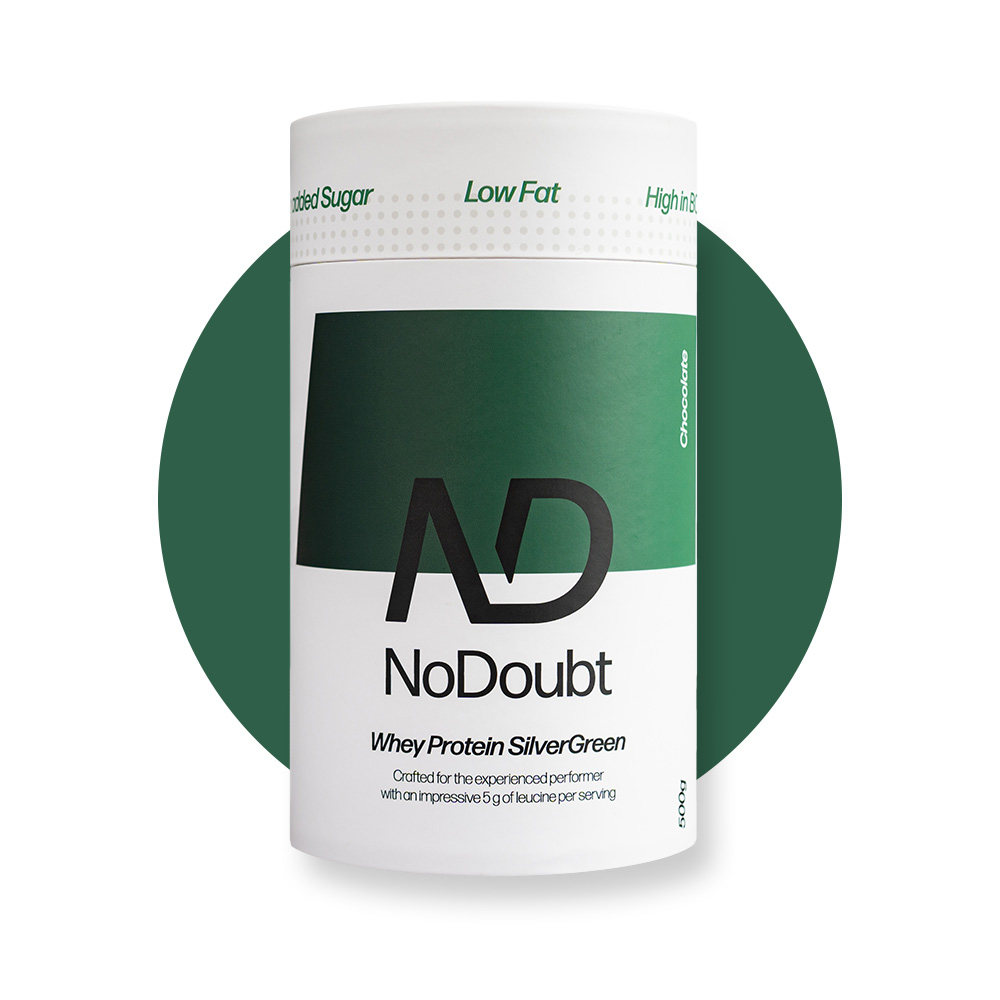
From the age of 30, our body undergoes natural changes that affect our fitness and health. Muscle mass decreases, especially in the 40s, and muscle regeneration slows down considerably. This leads to a decline in your strength and performance.
Discover solutions that enable you to counteract muscle loss at an early stage and maximize your performance from the age of 40.
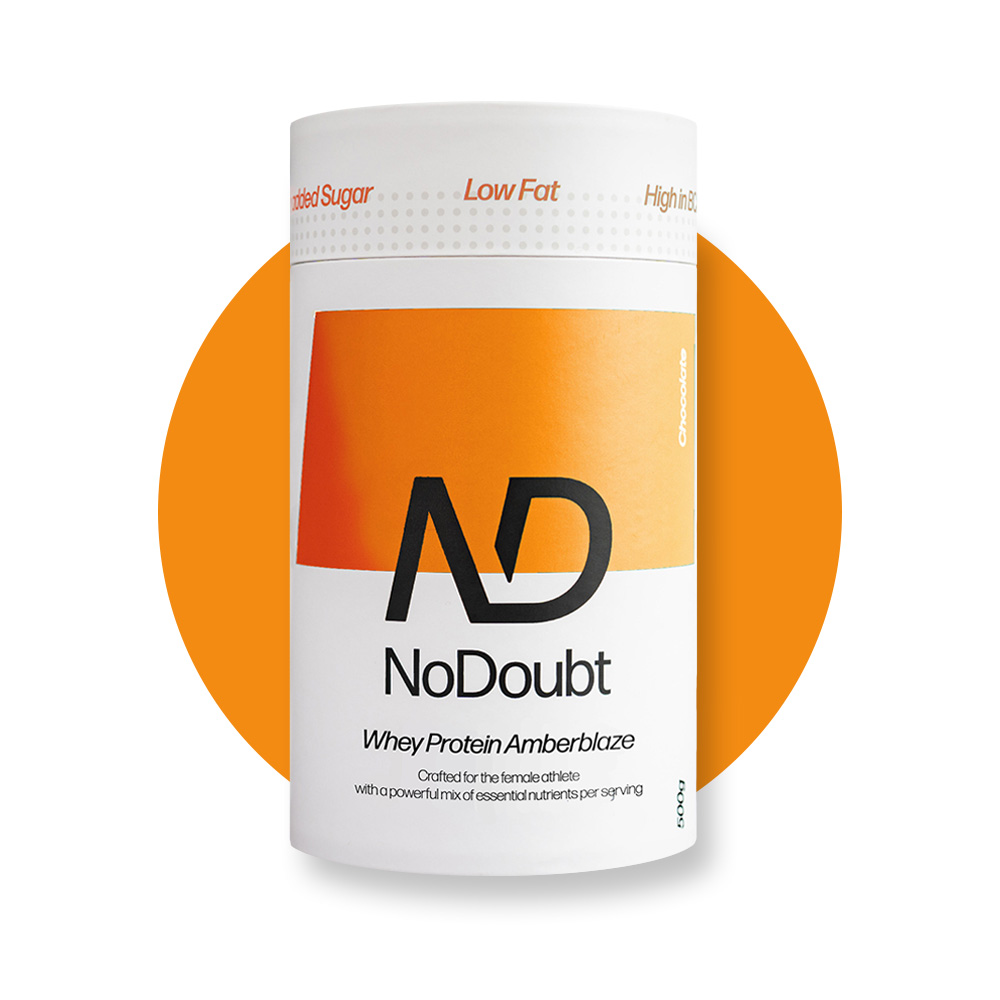
Women have long been neglected in sports science. The female cycle was seen as a disruptive factor, which meant that recommendations were often based on male needs and ignored the specific requirements of women.
Discover solutions that tackle nutrient deficiencies from the ground up and maximize female performance.
Um das beste Erlebnis zu bieten, verwenden wir Technologien wie Cookies, um Geräteinformationen zu speichern und/oder darauf zuzugreifen. Wenn du diesen Technologien zustimmst, können wir Daten wie das Surfverhalten oder eindeutige IDs auf dieser Website verarbeiten. Wenn du nicht zustimmst oder deine Zustimmung zurückziehst, können bestimmte Merkmale und Funktionen beeinträchtigt werden.